top of page


Florida Stormwater Erosion and Sedimentation Control Inspector
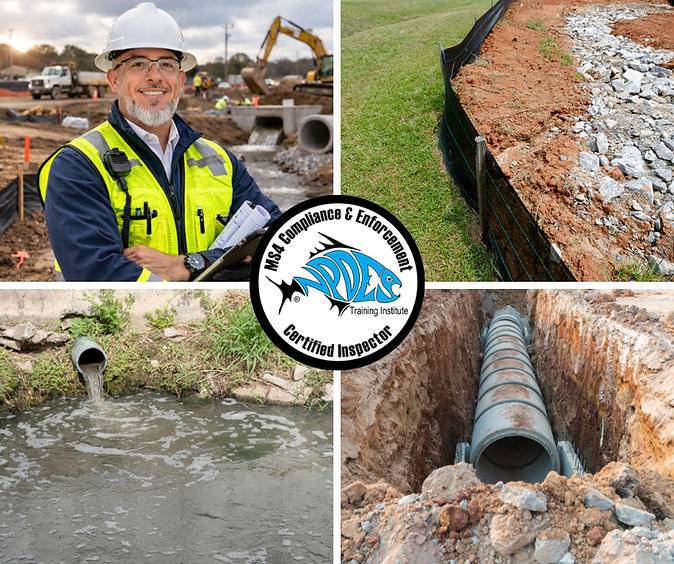

MS4CECI - MS4 Compliance & Enforcement Certified Inspector
When it comes to stormwater compliance, experience matters.
All-Point Inspections, LLC brings over 22 years of hands-on expertise in SWPPP and BMP inspections. Our team understands the complexities of stormwater regulations and ensures your project stays compliant, efficient, and protected from costly violations.
From thorough site evaluations to detailed reporting and proactive compliance support, we help contractors and developers maintain effective erosion and sediment controls every step of the way.
Florida MS4CECI - MS4 Compliance & Enforcement Certified Inspector
Florida FSESCI - Florida Stormwater Erosion and Sedimentation Control Inspector
✔ 22+ Years of Experience
✔ SWPPP & BMP Inspection Specialists
✔ Reliable, Accurate Reporting
✔ Compliance-Focused Solutions
Protect your project. Protect your reputation.
Choose experience you can trust — All-Point Inspections, LLC.
Florida SWPPP inspections are site inspections required under a Stormwater Pollution Prevention Plan (SWPPP) for construction projects in Florida. These inspections ensure construction sites are properly controlling stormwater runoff and preventing pollution from entering nearby waterways.

What is a SWPPP?
A SWPPP (Stormwater Pollution Prevention Plan) is a required document for construction sites that disturb 1 acre or more of land (or are part of a larger common plan of development).
In Florida, this falls under the NPDES Construction Generic Permit, which is administered by the:
-
Florida Department of Environmental Protection (FDEP)
The permit is part of the federal Clean Water Act program but is delegated to the state.
What Are SWPPP Inspections?
SWPPP inspections are routine site inspections performed during construction to verify that:
-
Erosion and sediment controls are installed correctly
-
Stormwater best management practices (BMPs) are functioning
-
No pollutants (fuel, concrete washout, chemicals, debris) are entering storm drains or surface waters
-
Deficiencies are identified and corrected
How Often Are Inspections Required in Florida?
Under Florida’s Construction Generic Permit, inspections must be conducted:
-
At least once every 7 calendar days, OR
-
Within 24 hours after a storm event of 0.5 inches or greater
(Some sites use both methods depending on their monitoring plan.)
What Do Inspectors Look For?
Typical inspection items include:
-
Silt fences
-
Inlet protection
-
Sediment basins
-
Stabilized construction entrances
-
Stockpile protection
-
Concrete washout areas
-
Evidence of off-site sediment tracking
-
Areas needing stabilization (bare soil)
Inspectors document:
-
Date and time
-
Rainfall amounts
-
Problems found
-
Corrective actions taken
-
Follow-up actions
Records must be kept on-site and available for FDEP review.
Who Performs SWPPP Inspections?
In Florida, inspections can be performed by:
-
A qualified site contractor
-
A certified stormwater inspector
-
An environmental consultant
-
A trained employee knowledgeable in erosion and sediment control
Some municipalities may have additional local requirements.
Why Are They Important?
Failure to conduct proper SWPPP inspections can result in:
-
Notices of violation
-
Fines from FDEP
-
Stop-work orders
-
Project delays
-
Environmental damage
Proper inspections help protect Florida’s lakes, rivers, wetlands, and coastal waters.
What is a BMP?
In stormwater management, a BMP stands for Best Management Practice.
A BMP is any method, structure, or practice used to prevent or reduce pollution in stormwater runoff from construction sites or developed areas.
Why BMPs Matter
When it rains, stormwater can carry:
-
Sediment
-
Oil and fuel
-
Concrete washout
-
Trash and debris
-
Chemicals and fertilizers
BMPs help keep these pollutants from entering storm drains, lakes, rivers, and wetlands.
Types of BMPs
BMPs generally fall into two main categories:
1. Erosion Control BMPs
These prevent soil from being disturbed or washed away.
Examples:
-
Temporary seeding
-
Mulching
-
Erosion control blankets
-
Soil stabilization
2. Sediment Control BMPs
These capture soil after it has been displaced.
Examples:
-
Silt fence
-
Inlet protection
-
Sediment basins
-
Sediment traps
-
Check dams
Structural vs. Non-Structural BMPs
Structural BMPs
Physical devices installed on-site:
-
Retention ponds
-
Stormwater ponds
-
Filter systems
Non-Structural BMPs
Operational practices:
-
Good housekeeping
-
Spill prevention
-
Material storage controls
-
Employee training
BMPs in Florida Construction
On construction sites in Florida, BMPs are required under the NPDES Construction Generic Permit regulated by the Florida Department of Environmental Protection.
They are documented in the site’s SWPPP (Stormwater Pollution Prevention Plan) and must be inspected regularly.
Simple Definition:
A BMP is any practice or device used to keep stormwater clean and prevent pollution from leaving a site.
To schedule a consultation or request a quote, click the button below
bottom of page